Strengthening Collaboration Between Family Doctors and Specialists

Dear SGFP Members,
One of the most consistent concerns we hear from you is the growing strain in relationships with consulting specialty care. Your Executive asked the SGFP Policy Team to take this on directly, to look beyond individual frustrations and examine the system-level issues driving these challenges.
What they’ve produced is a comprehensive analysis with detailed, practical recommendations that not only address the realities family physicians face, but also offer a genuine win-win-win-win: for us, our consulting specialist colleagues, government, and for Ontarians. This is the kind of work that can reset expectations, strengthen collaboration, and improve care for patients across Ontario.
Fair warning: the discussion paper is lengthy, ambitious, and designed for policymakers. To keep it practical and focused on what matters most to you, our Policy Lead, Dr. Beth Perrier, has distilled the key insights of the work SGFP is advancing on your behalf.
Warm Regards,
Dr. Dave Barber, Chair, SGFP
Dr. Beth Perrier, SGFP Policy Lead
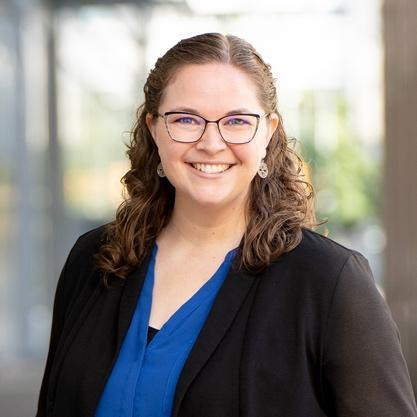
Dear Colleagues,
As Dave introduced, so many of you have told us that specialty access has become one of the most frustrating parts of your work, unclear processes, declined or lost referrals, inconsistent expectations, and the steady downloading of tasks that don’t belong in family medicine. Ontario has invested in tools meant to help with some of these issues, including central intake, standardized referral forms, e-referral, e-consult, and clinical pathways. These tools are all intended to improve conditions, but without the right enduring, accountable governance and implementation structures, they risk creating more burden instead of reducing it.
Right now, these initiatives are being developed in ways that aren’t transparent to family physicians, and without clear accountability to the clinicians who use them. The result is exactly what you experience every day: duplication, conflicting processes across regions, strained relationships with consulting specialists, and inequitable access for patients.
Our discussion paper makes a simple point: tools alone won’t fix specialty access. What’s missing is the structure that supports ongoing relationships, shared accountability, and coordinated implementation across the province. Without that, even well-intentioned projects risk becoming fragmented, costly, and disconnected from front-line reality.
In short, we need family physicians at the table, who are in official and/or accountable positions, not on the sidelines when these systems are designed and implemented.
We are proposing that Ontario establish a provincial governance and implementation framework that brings specialty access initiatives under one umbrella and embeds physician leadership throughout. With the right structure in place, Ontario can reduce administrative burden, strengthen collegiality between family physicians and consulting specialists, and build a system that works better for patients and clinicians alike.
We believe this is the foundation needed to deliver on the Primary Care Act’s goal of truly connected care for our patients, and to ease the burden on family doctors and our consulting colleagues. As always, we welcome your feedback.
Warmly,
Dr. Beth Perrier, SGFP Chief Physician Policy Officer
Other Resources
Annual Community Paramedicine Knowledge Exchange Expo
Community Paramedicine is transforming care through proactive, preventative, and patient-centred approaches. Join paramedics, health leaders, and partners from across Ontario for three days of learning, collaboration, and innovation to shape the future of community-based care.
***This activity has been certified by the College of Family Physicians of Canada and the Ontario Chapter for up to 19.75 Mainpro+ Certified Activity credits and 2.75 Mainpro+ Certified Assessment Activity Credits (Total 22.5 credits).
Register here.
You're Invited: Peer-to-Peer Rounds!
Join the Peer-to-Peer “Amazing and Awesome” Rounds on June 4th from 12:00-1:00 PM (EST).
Topic: Point-of-Care Ultrasound in the Rural ED: Tele-Guided Imaging.
Learning Objectives: Apply core rural ED POCUS protocols; use tele-guidance for image acquisition / interpretation; interpret benefits / limits in low-resource settings; and integrate findings into diagnosis, triage, treatment, and transfer decisions (including training, QA, and workflow considerations).
Presenters: Drs. Frank Myslik, Damian MacDonald, and Nour Khatib.
We welcome physician learners—especially those interested in rural practice. Email edpeer@ontariohealth.ca for the meeting invite.
Billing Webinar Reminder
A reminder that our upcoming webinar, Let’s Talk Billing with a short feature on counselling codes such as K013 and K005, is happening May 20, 12:00-1:00 PM. This session is open to members in all family practice models and to all billing questions. It will be facilitated by Drs. Ryan Banach and Salesh Budhoo. Register here.
Resource Sharing: If you have information about a news item, policy, survey or event you wish to share with SGFP members, please review the criteria and provide the following required information for us to include in this section of the newsletter. Please send this submission to: ChairLetterSGFP@outlook.com